
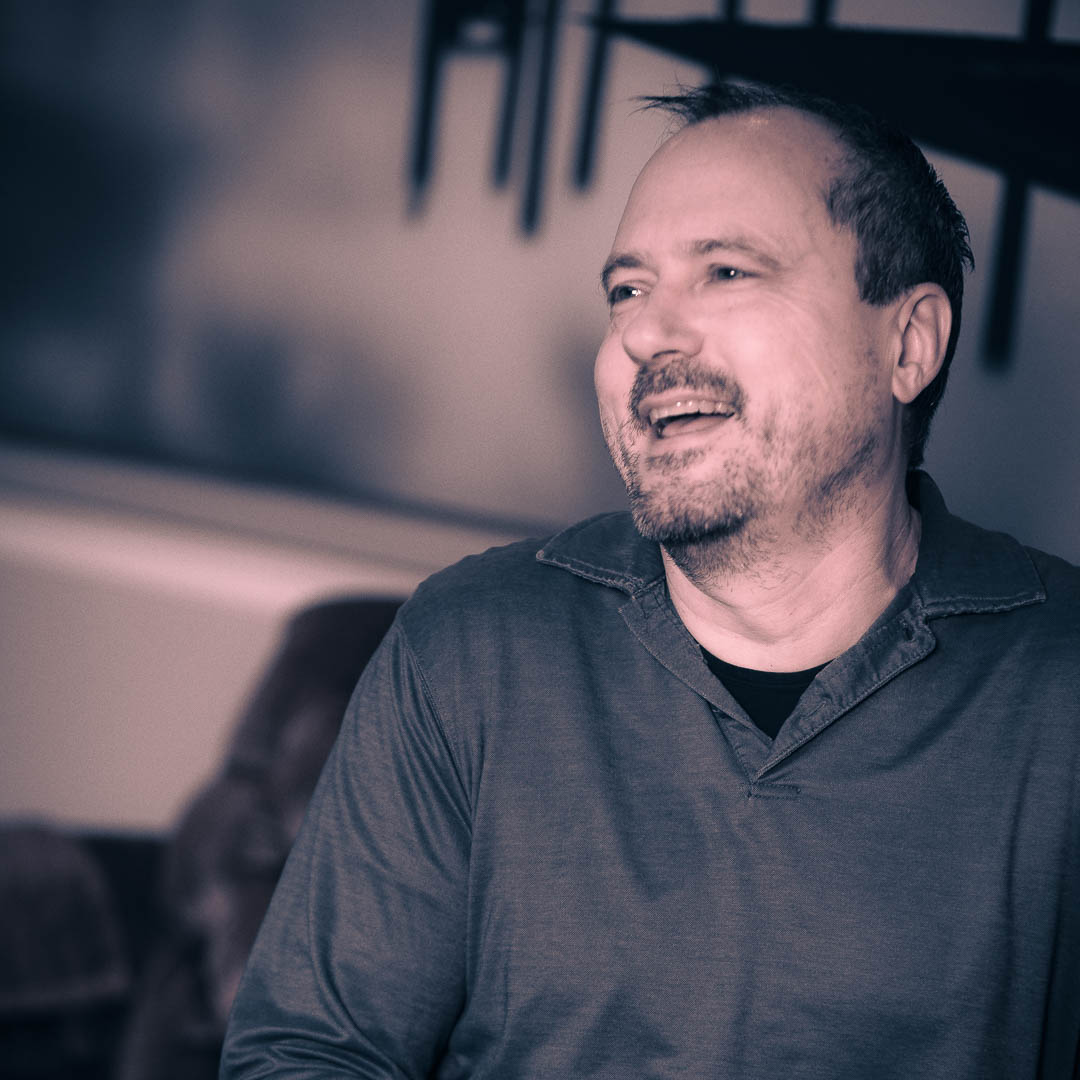
Katheryn Bienemann,
MA, LCPC
As a board certified, clinical counselor having earned a master’s degree in Human Development Counseling from Bradley University and working in medical settings since 2001 I have worked with persons having relationship challenges, cancer-related and caregiver struggles, childhood and adult abuse, anxiety and depression.
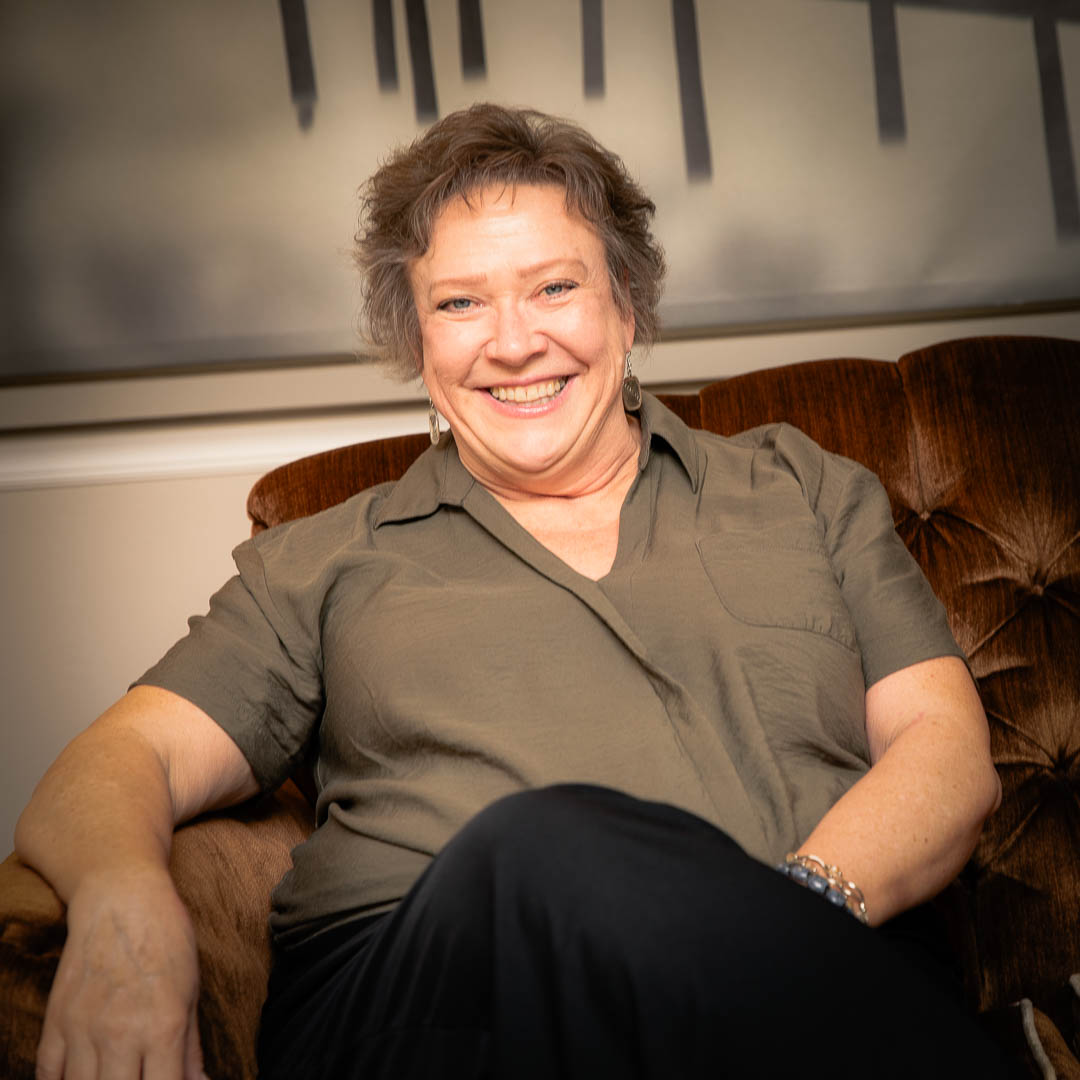
Michaela Reneau
MSW, LCSW
My job is to guide you, provide support, and offer tools, but you are the one steering this ship. I’m here to help you figure out what’s next, without judgment or pressure. I offer a trauma-informed, solution-focused approach that centers on your goals, healing, and moving forward. A blend of talk therapy and Neurofeedback will help you make progress on what matters most to you. I’m here to support you as you navigate life’s challenges. You don’t have to face the rough parts of life alone. I’m here to help you find real solutions that fit your unique situation.
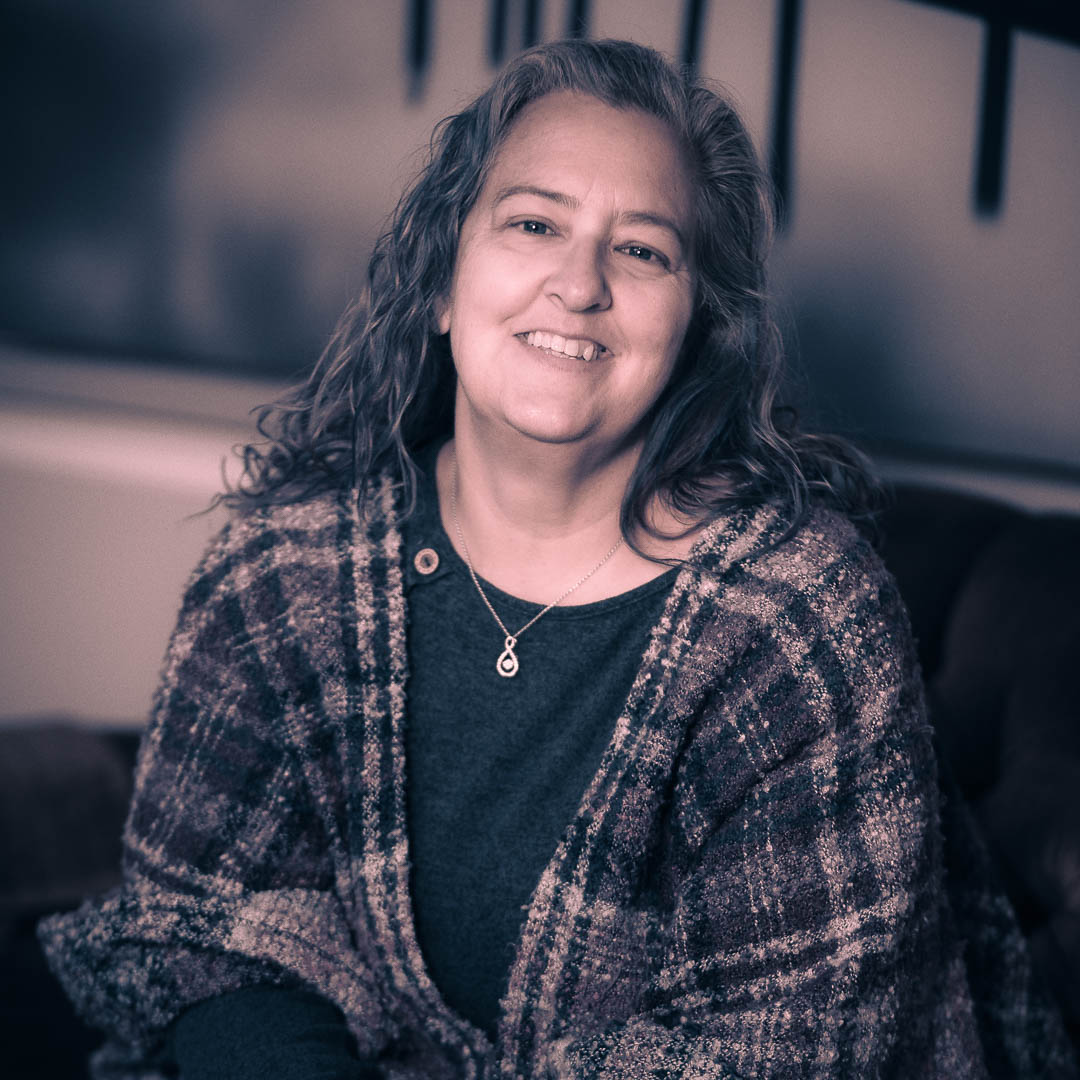
Michelle Washington
MA, LPC, NBCC
A Bradley University graduate of 2023, I planted my new roots as a residential therapist for the Children’s Home Association of Illinois’s Youth Farm program. My previous experience as a paralegal in the field of elder law and as an APS caseworker broadens my bandwidth to accept all connections in the helping field. Anyone who desires to further the mission for advocacy in healthcare and criminal justice for those without a voice is welcome.

Steven Loser
MA, LPC, NBCC
I believe everyone is on a very individual journey to a happy and fulfilling life, and I enjoy walking with people as they navigate through the ups and downs of that journey. I value creating a safe and comfortable space where people feel respected and listened to, and where they can tell their story without any reservations. I often focus on working with teenagers and adults with trauma, identity, attachment, and relationship concerns. I would be honored to walk with you on your journey and to explore how the counseling process can be most helpful to you and what it can look like to create that space for your growth and healing.

Most mental health professions have the same titles. A Psychologist in New York is likely to be pretty much the same, in terms of what they do, as a Psychologist in California, Montana, or anywhere else. Same for Licensed Clinical Social Workers (LCSWs) and Licensed Marriage and Family Therapists (LMFTs). In other words, you can recognize the job by its title. If you’re a counselor, on the other hand, you may have any one of several different titles. Among them:
- Licensed Professional Counselor (LPC) – This is the license title used in 24 US states and the District of Columbia as of 2016, according to this data from the American Counseling Association.
- Licensed Mental Health Counselor (LMHC) – This is used in seven states, the largest of which is New York.
- Licensed Clinical Professional Counselor (LCPC) – This is used in seven states, the largest of which is Illinois.
- Licensed Professional Clinical Counselor (LPCC) – This is used in six states, the largest of which is California.
- Licensed Clinical Mental Health Counselor (LCMHC) – This is used in New Hampshire, Rhode Island, Utah, and Vermont.
The biggest difference
The terms “Clinical” and “Mental health” in some titles delineate that the license is specifically a mental health license. When the title includes the terms “Clinical” or “Mental health,” that usually means that everyone with that title can assess, diagnose, and treat mental illness. As such, all of the titles except LPC can be reasonably grouped together.
The title “Licensed Professional Counselor” is more broad. LPCs usually have training in mental illness, but LPCs may also focus on career counseling, rehabilitation counseling, and other forms of counseling that do not directly involve the diagnosis or treatment of mental illness. And indeed, in states where the counselor license operates under the broad LPC title, the protected scope of practice is often broad as well. An LPC license may be necessary to perform any kind of counseling, whether related to mental health or not.
In states that have more narrowly-focused “clinical” or “mental health” titles, these other counseling activities may not require licensure at all. (Individual state laws vary in this regard.) California is a good example: While LPCCs are required to have received training in career counseling, you don’t need to be an LPCC here to do career counseling. The scope of practice linked to the LPCC license is specific to mental health, and anyone — licensed or not — can call themselves a career counselor.